
Daily phrase
¡Qué más, parce!
/ke ˈmas ˈpaɾ.se/
What's up, dude!
Daily greeting
The warm, practical language layer for your first week in Medellín — local phrases, real pronunciation help, and the kind of slang that makes conversations open up fast.
Insider tip: Knowing 'dar papaya' is not just slang. It is one of the quickest ways to understand how locals think about safety and street smarts in Medellín.
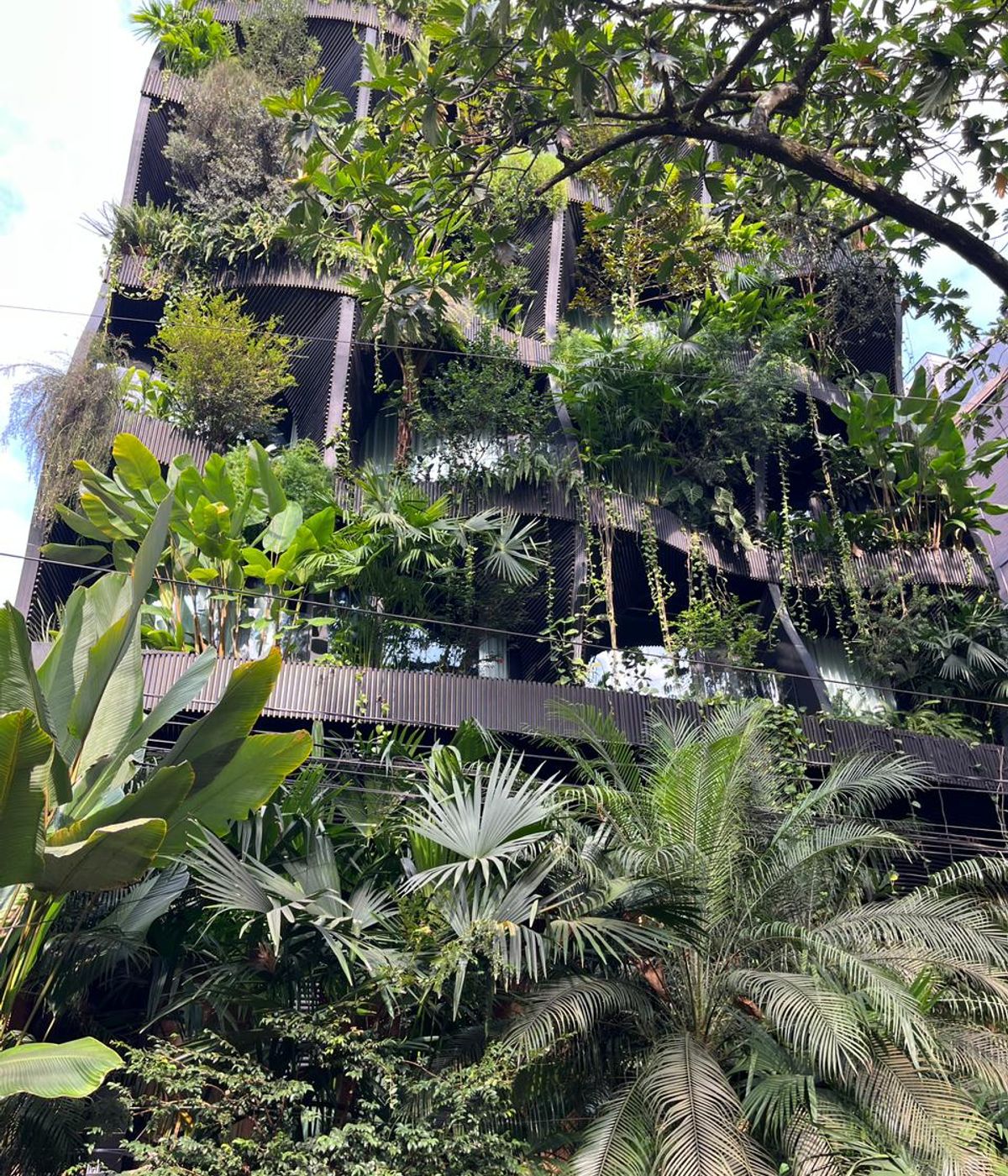
Paisa Spanish is warm, musical, and social. Get one phrase right and the whole conversation softens.
/ke ˈmas ˈpaɾ.se/
What's up, dude!
Daily greeting
/no des paˈpa.ʝa/
Don't make yourself a target
Safety
/ˈlis.to nos ˈβe.mos/
Alright, see you
Saying goodbye
Learn the phrases that make Medellin feel less like a stopover and more like a conversation you are already part of.
/ Parcero
/ˈpaɾ.se/ — /paɾˈse.ɾo/Dude, buddy, friend
The #1 word to know. "Qué más, parce?" = "What's up, dude?" Using this immediately earns you respect.
/ke ˈmas/What's up? / How's it going?
The standard greeting. It is not literal, so just say it back.
/ˈtʃim.ba/Cool, awesome, amazing
"Qué chimba, parce" = "How awesome, dude!" The most-used positive slang in Medellín. Use it liberally — but only in casual contexts, not formal situations.
/ Mija
/ˈmi.xo/ — /ˈmi.xa/Son/daughter (but used as "dear/honey")
Shopkeepers and abuelas will call you this. It's affectionate.
/ˈlis.to/Okay, ready, done
"Listo, nos vemos" = "Alright, see you." Used constantly in every context.
/a la ˈoɾ.den/At your service
Shopkeepers say this when you walk in. Reply with "Gracias" and a smile.
/daɾ paˈpa.ʝa/To ask for trouble (lit: "give papaya")
"No des papaya" = "Don't make yourself a target." Keep your phone in your pocket on the metro.
/rum.beˈaɾ/To party / go out dancing
"Vamos a rumbear este finde" = "Let's go party this weekend."
/meˈda.ʝo/Local nickname for Medellín
Used with affection. If someone says "qué calor en Medallo," they mean Medellín is hot today, not that they are being formal.
/pwes/Well, so, then
A filler word like "well", used constantly. "Pues sí" = "Well, yes."
Start warm. A simple 'que mas' lands better than over-formal textbook Spanish.
Match the room. These phrases are brilliant in cafes, Ubers, and casual chats, not at immigration or the bank.
Listen for rhythm. Paisa Spanish is musical. Confidence matters more than perfect grammar in the first minute.
Language is one layer. Food, movement, and street-smarts make the whole arrival experience feel complete.
If language opens the conversation, food seals the memory. Go straight to the neighborhood's strongest cafes, brunches, menus del dia, and dinner picks.
Food is not an extra. For first-timers, it is one of the fastest ways to feel the city open up.
SIM cards, groceries, cash, and the practical things that make your first 48 hours feel easy instead of improvised.
The practical layer matters. Smooth basics create much better travel decisions.
Metro rhythm, cable car logic, and the local shortcuts that make Medellin feel navigable from day one.
The faster the city feels legible, the more adventurous the rest of the trip becomes.
Understand 'no dar papaya', nighttime judgment, and how travelers stay relaxed without moving through the city naively.
Confidence lands better when it is paired with judgment that feels local, not paranoid.